blog

In the Northwestern States, we grudgingly accept the fact that we get late snowstorms postponing the April Showers and May Flowers. With that being said, spring is *almost* here. A couple more hard-hitting snow storms and we can start pulling out the shorts and flip-flops. Before you reach for the sunscreen, read on to protect your home from Spring Flooding.

When spring does finally come, the Honey-Do-List gets longer and longer with Spring Cleaning Chores. Things like dust the blinds and wash the windows make the list, but what about Spring Disaster Cleanup? I’m sure the last thing you want is for your To-Do list to get even longer, but a few simple things can help you protect your house from Spring Flooding and prevent a lot of cleanup down the road. Here are some useful tips and tricks:

  • Check for standing water around your home’s foundation. If you find standing water around your foundation on the outside of your home, use landscaping materials to create a slope that gradually directs water away from your home and into your yard.
  • Seal any leaks in your roof, windows, walls, or foundation. Moisture can lead to mold and weaken the structure and integrity of your home. If you see a wet spot and are unable to locate the source of the leak, ARS uses thermal imaging cameras to help locate moisture, hot and cold spots, and other potential hazards hiding in walls, ceilings, and floors.
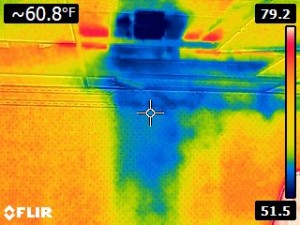
FLIR0571 ARS Thermal Imaging Spring Flooding

Take a look at this Thermal Image. The area in blue is where moisture is hiding in the walls and ceilings and is not apparent to the naked eye.

  • Check all sump pump pits, crawl spaces, basements, and cracks in your foundation to ensure they are dry. If you find moisture, call ARS as soon as possible to check for damage and help you determine if a sump pump or French Draining is needed or to start monitoring the ground water underneath your home. If you already have a sump pump, ensure it is working and it has a power source other than electricity in the event of a power failure. Also check to make sure when the sump pump turns on, it does not flip your circuit breaker or GFI.  Install a moisture alarm in or near the pit in case the sump pump fails.

Below is a video of ground water bubbling in through the foundation. When ground water is higher than the bottom of your foundation, the water is going to try and force its way into your house. If detected early, the amount of damage it causes to your home is substantially less than if it goes undetected.


  • Safely check your drains, gutters, and downspouts for debris, clogs, or holes. Ensure water is running away from your house. Use downspout extenders to send water into your home rather than next to your home. Shovel snow and ice away from your home.

Even though this isn’t a complete list, being proactive about Spring Cleaning and ensuring your house is ready for Spring Flooding can save you from lots of stress, a big mess, and lots of $$$ down the road!

If you have any questions on spring flooding or floods in general, call your local ARS and speak with the Water Damage Experts. We’re here to help!

ARS Fire Cleanup
ARS Fire Cleanup


Did you know that kitchen fires are the leading cause in household fires?

One minute you’re frying up a pan of Grandma’s Famous Fried Chicken, the next you are searching for the Fire Extinguisher to douse a grease fire. After the fire is put out, you no longer have eyebrows, your kitchen is destroyed, your whole house is blanketed in smoke, and to top off the night—you’re eating fried chicken endorsed by a colonel in white outfit in a sketchy motel because the Fire Department deemed your house unsafe.

How can you avoid a Kitchen Fire?

-To start with, avoid cooking if you are sleepy or have consumed alcohol. If you are a bit drowsy, set a timer or two to turn your stovetop or oven off or use a microwave and cook food for short intervals.

-Don’t leave the kitchen while you are cooking if you can avoid it. Especially when frying, broiling, grilling, or boiling food. It only take a few seconds for a great meal to catch fire.

-When cooking with oil, always stay in the kitchen. Heat cooking oils slowly and use cooking specific thermometers to gauge the temperature of the oil. Add ingredients slowly and carefully to the pan to avoid splatter. Keep a lid close to the pan whenever cooking with oil. Watch whatever you are cooking closely; if you see or smell smoke, immediately turn off the burner and/or remove the pot or pan from the heat source carefully. Smoke is a sign the oil is too hot and can ignite.

-Check food you are cooking regularly, ensure that it is not charring or the pot you are cooking with has cooked off all the liquid and is burning the pot or remaining ingredients.

-Be careful with clothing, oven mitts, kitchen towels, paper towels, trash or anything flammable near the stovetop or in the oven as paper and synthetic materials are extremely flammable.

– Fire Extinguishers are also a great tool and you should be kept in your kitchen, but can spread the grease all over your kitchen and make an unnecessary mess for small grease fires. Think of a Chemical Fire Extinguisher as your last resort because it can contaminate your entire kitchen.

– Before you reach for the red canister, try to smother a small grease fire by sliding a lid or cookie sheet over the pot or pan and turn off the heat source. Allow the pot or pan to cool completely before handling it again as the fire can restart or cause the handler serious burns. Alternatively, salt or baking soda can be used to smother grease fires as well, but only on small fires. Do not use flour or other cooking ingredients as they do not have the same effect as salt or baking soda.

  *NEVER USE WATER TO EXTINGUISH A GREASE FIRE* Water can cause the grease to splatter and be an extreme danger to all those around and can be damaging to your home.

-If at any point you are not comfortable or able to safely contain the fire, evacuate your home and call the Fire Department at 911 when outside your home.

-In the event you do have a kitchen fire, call ARS to help you Cleanup, Rebuild, and Restore your home. We are able to effectively remove and remediate fire and smoke damage. If any area is unable to be salvaged, ARS is able to help you rebuild your home as licensed General Contractors.

How do you really prepare for the worst? Is it even possible to cover all your bases in the event of a disaster? What can I do to Prepare before a Disaster?

ARS Storm Cleanup & Restoration

Realistically, it’s hard to prepare for the worst possible outcome in various scenarios, but there are measures you can take to help you recover from the event smoother and faster. Below is a list of 7 helpful tips to help you get through a disaster at your home or business.

  1. Go through your home and take pictures of each room, closet, garage, and other spaces. If you had to start completely over in each room, what would it cost to replace the contents in each space? Make a list of the major contents and what it would cost to replace each of the items at current market value. Keep the pictures and records on a thumb drive away from your home or store them on a safe cloud based web server along with a copy of your Insurance Policy.
  2. Keep all very important files and documents such as Birth Certificates, Social Security Cards, or Insurance Policy Information in a fire safe container or in a safety deposit box.
  3. At least once a year, meet with your Homeowners Insurance Provider or Agent to adjust your policy, add new property, check your limits, adjust your deductible, and see if you qualify for discounts. Be sure to include any items that fall under insurance exclusions like jewelry, luxury items, or firearms. During this meeting, discuss the cost of adding a Back-up of Sewer and Drain Policy. While most insurances cover certain types of water damage, most do not cover sewer or water backup. This is a great add on if you live in an area susceptible to flooding or are serviced by a City Sewer Line. We recommend a minimum of at least $10,000 in flood and/or sewer coverage.
  4. Routinely check your home for leaky pipes, mold spots, standing water inside or outside, add downspout extenders to your gutters, check for old or faulty electrical connections, remove trash or clutter, ensure your home’s street number is visible from the street to better help Law Enforcement and Emergency Responders find your home in the event of emergency, clean your dryer lint screen regularly, turn your water main off before leaving for an extended period of time, test you sump pump before rain storms to ensure it’s working and set up a moisture alarm near the sump pump in case it fails, check all around your home for pests and block them from coming in your house, keep a fire extinguisher on hand, and ensure all smoke detectors have fresh batteries and are in working condition.
  5. Have an emergency fund available. Make sure it includes enough cash to pay your insurance deductible and extra to provide for short term living cost. If you don’t have a fund, start by automatically putting a little bit of money aside after each payday into a savings account. It will add up quickly!
  6. Plan for the worst, if your water supply is cut off or contaminated, do you have enough bottled water for your family and pets for a few days? Are you able to cook or prepare food if your utilities are disconnected? Do you have a 72 hour kit for each family member if needed? Will you have light in your home without electricity? Again, start our slowly if you are not prepared in all these areas. Work on an area of preparedness a week or even a month until you are confident you have enough to provide for your family.
  7. At minimum, keep a basic first aid kit handy and brush up on your first aid skills!

This list is not complete or comprehensive, but it definitely gets you thinking and the wheels turning. We cannot always avoid disaster, but it gives great peace during a stressful situation being able to care for yourself and your loved ones.

When you smell bleach, what’s the first thing you think of?

Normally, the scent of Bleach gives us the assurance that whatever we are cleaning, is indeed getting cleaned and disinfected.  It’s a go to cleaner and even given out after disasters by the gallons to home and business owners for the assistance of helping with the cleanup—especially after a major flood.

IMG_5895


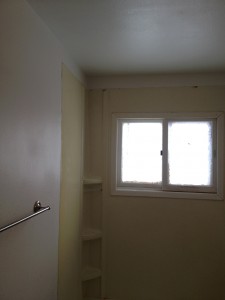
Take a look at the picture on the left. It shows a little-teensy bit of mold at the top of the shower. It’s almost hard to see. Now you grab the bleach cleaner, spray it on the shower, and wipe it down and you’re done. Great. That mess is taken care of, right?


Truth is, you just helped the mold get ready for a party at your house. Here’s why:

Bleach’s active ingredient is Sodium Hypochlorite and it is highly effective in removing any discoloration. In regards to mold, it may bleach out the discoloration caused by mold growth, but it leaves behind the microflora (the roots of mold) that will start to regrow overtime leaving you with another mold spot.  Think of it of having your hair bleached, after it’s been done it looks nice, but in a few months, you’ll have roots that grow out and need to be bleached again.

Another ingredient in Bleach is water. Water is a food source for mold. So, pouring bleach on mold gives it a new look, a new smell, and a big meal that will make it want to come back even more because of your great hospitality. Along with giving it a free meal, pouring liquid on mold can cause sporulation, meaning the mold wants to stay at your house and sends out little seeds to the rest of your house. Have you ever blown the seeds off of a dandelion? Think of mold and liquid the same way—the seeds go everywhere.

IMG_5911


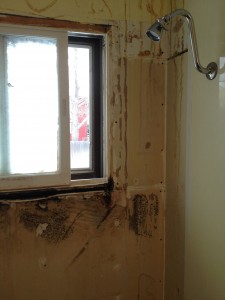
Here’s a picture of the same bathroom from above without the shower insert. Mold has spread all behind the shower and into the building material leaving a giant, unhealthy, expensive mess that bleach won’t cleanup.


In order to eliminate the mold and prevent future mold growth, you need to contain and eliminate it completely, rather than just cleaning the surface with Bleach.

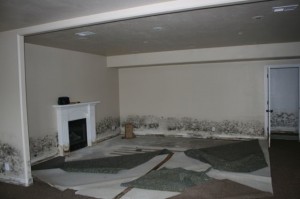
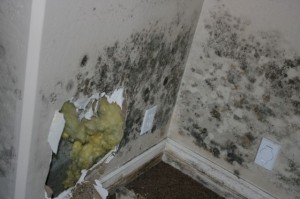
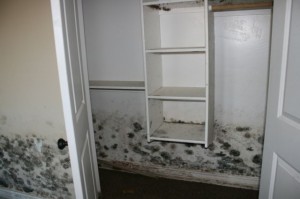
This is where it gets technical. Killing mold requires a very specific Biocide Cleaner. On top of that, industry standard recommends physically removing mold contamination. Because everyone reacts differently to mold spores and the gases it gives off differently, ARS takes great care in remediating mold. ARS Mold Technicians build a containment area,  they wear protective clothing and respirators, and use special HEPA Vacuums and Air Scrubbers to ensure mold isn’t spread into other areas. Mold Pic 2

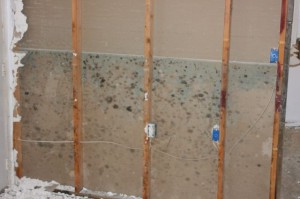
So, before you grab your bottle of Bleach Cleanup to spray an area affected with mold, consider giving ARS a call to check it out before it takes over the whole house.

Mold Pic 3


First off, let’s figure out what Ozone is. . .


3-RR-0116-Oxygen-OzoneOzone is a colorless gas with a pungent odor and powerful oxidizing properties, formed from oxygen by electrical discharges or ultraviolet light. It differs from normal oxygen (O2) in having three atoms in its molecule (O3).


1-RR-0116-Ozone-101Ozone is a naturally occurring element found on Earth and is created when an electrical arc like lightning or certain ultraviolet rays from the sun are introduced to oxygen in the atmosphere.  When a strong electrical current, like a bolt of lightning occurs, oxygen molecules are ripped apart leaving single oxygen atoms to hang out— the oxygen atoms hate being single, so they quickly pair up with other oxygen molecules and create O3.
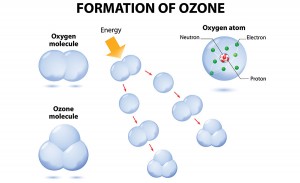


2-RR-0116-Formation-of-OzoneThe Ozone layer in the atmosphere is created by the sun’s shortwave ultraviolet rays rather than electricity through a similar process. Ozone Generators replicate either the electrical or ultraviolet process on a much smaller scale in order to work in your home.


I bet you are thinking, this is all fine and great, but how does an Ozone Generator remove odor from my home?

“Ozone reacts with odor molecules by transferring the “extra” atom of the ozone molecule to the odor molecule changing its composition so it no longer has the same chemical makeup. This chemical reaction is called oxidation.” 1

Simply put, the oxidation process changes the odor molecule to a new compound and it can no longer hold the odor. Spray on deodorizers trap the odor, whereas Ozone Generators change the molecular make-up of the odor completely.

Ozone Generators are especially effective in removing smoke smells from homes, cars, and other enclosed areas.

Ozone Generators are typically used after any restoration work is completed and are safe to use in homes. It’s required for safety to not enter the room or premises while the Ozone Generator is in use and making sure pets and plants are also not in the room while it is running as it removes the oxygen from the air. After the room airs out, it is safe to be in and the odor is eliminated.


1Hart, D. (n.d.). Ozone 101: Using Oxygen Molecules for Odor Removal. Retrieved February 24, 2016, from http://www.randrmagonline.com/articles/86744-ozone-101-using-oxygen-molecules-for-odor-removal

Images found on http://www.randrmagonline.com/

Before answering the question, there are two misconceptions that need to be cleared up:

Misconception #1:  Wait as long as possible before cleaning your carpet.

Dirt is an abrasive, like sandpaper.  Every time you step on your carpet, dirt is ground into the carpet and cuts the carpet fibers.  A dirty carpet will not last as long as a clean carpet.  Vacuuming helps, but by itself, it is simply not enough. A good test to see how much your vacuum is actually picking up is to vacuum a throw rug then take it outside and shake it.  You will see how much dirt and dust will still come out of the rug, even though it was just vacuumed.  The longer you wait to have your carpet cleaned, the more damage is done to your carpet and the faster it wears out.

Misconception #2: The only reason to clean my carpet is to remove the dirt, so if I can’t see the dirt, it doesn’t need to be cleaned.

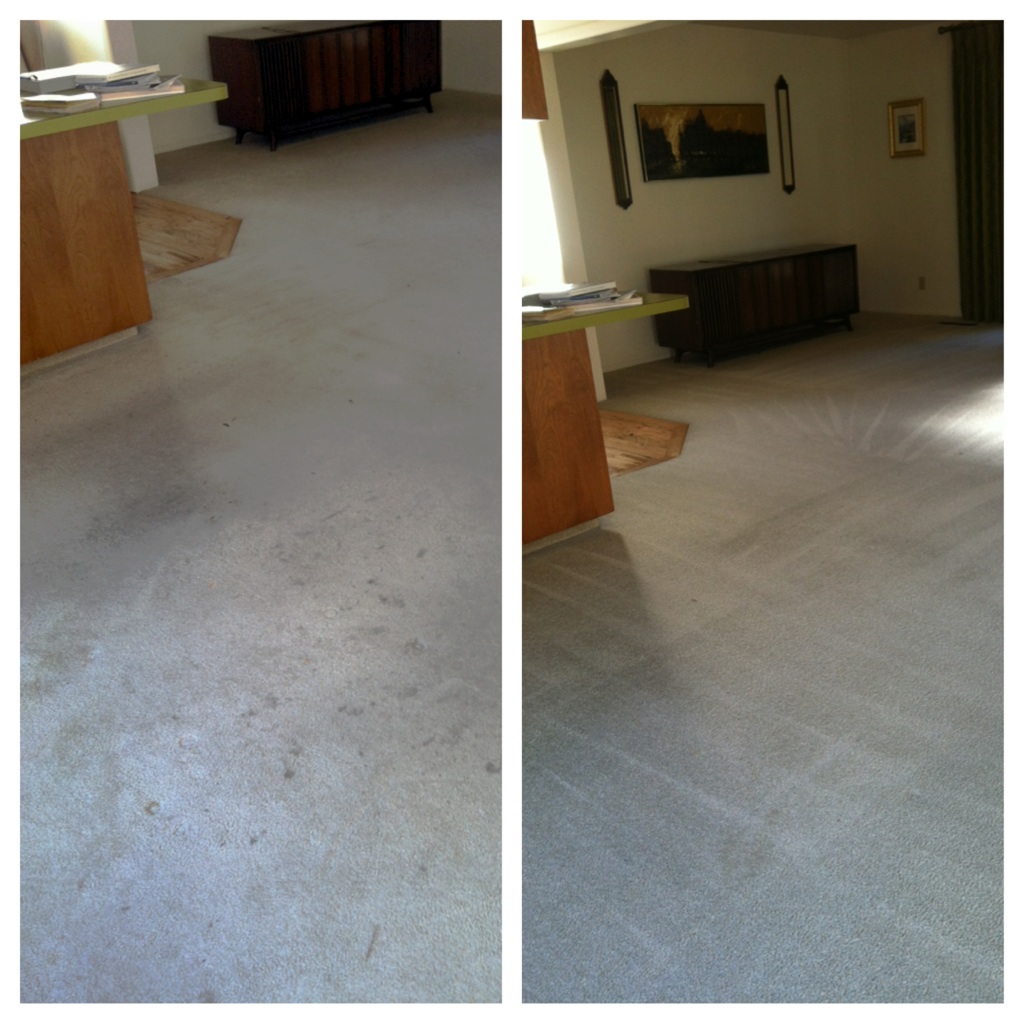
Outdoor air contains pollen, fungus, bacteria, air pollution, cigarette smoke, car exhaust and hundreds of other chemicals.  When you enter your home, you carry this pollenCC Before & After 2, bacteria, and chemicals on your hair, skin, clothing and shoes.  Not surprisingly, all those chemicals and toxins wind up in your carpet.  If you have allergies, asthma, emphysema, or other breathing problems, one major source of the problems could be the pollens, fungus, smoke, and chemicals in your carpet.  This should be a good reason to get your carpets cleaned sooner rather than later.  Just think, if you only “vacuumed” the stains out of your clothes instead of washing them in hot water- the clothes would never come clean.

In answer to the question, it is recommended to get your carpets cleaned every 6-12 months depending on the “traffic” in the home, i.e. the number of occupants and pets.  At ARS we use a truck-mounted hot water extraction system called a Vortex (the type of cleaning recommended by the leading carpet manufacturers Shaw and Mohawk) a system guaranteed to give your carpets the best cleaning ever.

How can I know if the damage to my home from water is covered by my homeowners insurance?

When water damage happens to a home, panic mode sets in with how it is going to be cleaned up and how the cleanup and restoration will be paid for.   Homeowner insurance policies differ from company to company in coverage, monthly payment, and deductible.  This makes it difficult sometimes to advise someone what it will cost them out of pocket or if and what the insurance company will cover.

In the event of water damage, always call your insurance agent to verify any insurance coverage.  We are happy to work with all insurance companies on claims you may need to make.

The winter season has been a tough one in Cache Valley and we’ve spent most of our time indoors to escape the cold and the bad air quality. We all know that the inversion in Cache Valley creates unhealthy outdoor air, but what about the air in our own homes?  Most Americans spend about 90 percent of their time indoors, where pollutant levels may be 2-5 times higher,  and occasionally 100 times higher, than outdoors, according to the U.S. Environmental Protection Agency.  Here are a few tips to reducing the pollution in the home.

KEEP CARPETS CLEAN

Carpets act as a large air filter and just like any filter, if it becomes clogged with dirt and dander, it will cease to function properly.  A couple of ways to keep your carpets clean are:

1) VACUUM REGULARLY.  A general rule is to vacuum traffic areas at least once per week with a powerful upright vacuum.  Using a vacuum with a beater brush and excellent filtration system will help prevent dirt from settling in your carpet and keep re-circulation of dust and dirt to a minimum.  Along with using the right kind of vacuum, it is imperative to use the right kind of bag and change it often, otherwise the vacuum will send out tons of dust in to the air.

2) PROFESSIONALLY CLEAN THE CARPETS ON A REGULAR BASIS.  Vacuuming is just not enough when it comes to cleaning carpets.  Carpet collects dust, dirt, dust mites, pollen and dander.  Plus anything else we track in from outside.  A good test to show vacuuming is just not enough is to take a rug that has just been vacuumed and shake it outside.  It will still release more dirt.  This is why professionally cleaning the carpets is recommended every 6-12 months.  Cleaning the carpets by hot water extraction will clean and suck out the pollutants in your carpet & rugs.

3) REMOVE SHOES WHEN ENTERING THE HOME.  Removing shoes and putting rugs/runners at doorways can prevent pollutants from outdoors from entering the home on your shoes.  This is a good practice to follow and will also help keep your carpets looking clean longer.

CHECK THE HOME FOR MOLD

If not treated, mold can cause a number of health problems to the respiratory system and cause other problems such as headaches and nausea.  Mold thrives off of air, moisture and food (carpet, wood, dry wall etc.), therefore it is important to not only check your home for mold spores, but any moisture problems such as leaky pipes or condensation build-up and correct those problems.  Water damaged areas should be cleaned and dried within 24-48 hours to prevent the growth of mold.

REGULARLY CHANGE THE FILTER IN FURNACES

Once again, if the filter is not changed regularly, it will not function properly.  This could lead to malfunctioning of the furnace and possibly dust being sent through the air ducts.

CLEAN YOUR AIR DUCTS

Cleaning out the air ducts in your home can help reduce the pollutants being circulated in your home, and possibly reduce allergy problems.  The air ducts in a home commonly collect pet hair and dander along with dust after construction projects.  When air ducts are professionally cleaned, the process includes sucking out any loose dirt and debris with a HEPA vacuum and then sealing the ducts to prevent any dust too small to be collected from being re-circulated.

MAINTAIN PROPER VENTILATION IN THE HOME

Improper ventilation can create build-up of pollutants in the home and cause health problems.  Keep the air circulating by using fans, opening windows or by using properly maintained HVAC systems.

Q: How do you clean up mold?

A:  This is a common question when a homeowner is worried about mold growth in the home.   Here is a basic rundown of what is done during a mold test and what a professional restoration company such as ARS Flood and Fire Cleanup does during mold remediation.

Mold Testing

Mold testing is the collection of mold samples for laboratory analysis.  Usually it is an Industrial Hygienist that will come and take both surface and air samples to be tested in a laboratory although there are some do-it-yourself home mold tests on the market.  A surface sample is taken directly from the surface by a tape lift imprint, a cotton swab, or actual piece of mold surface.  For air samples, a canister called a spore trap will be set, and a representation of the mold in the air will be determined by the number of spores that are captured.  The surface and air tests are important to identify what types of molds are present.  This data is useful in determining proper remediation procedures as well as the seriousness of potential risks. The data from the test can be used in determining what needs to be done to remove any mold spores found.

Mold Remediation

Mold remediation is basically the process taken to clean up mold damage, usually done by a professionally certified restoration company such as ARS Flood and Fire Cleanup.  Here are the steps we take to cleanup mold in a home or business:

The first step is to correct the moisture problem that is causing mold to grow.  There are many causes of moisture in a home.  Some of them are leaky pipes or drains, improper drying of surfaces after a flood, or condensation build-up.  The bottom line is that all moisture problems need to be fixed to prevent further mold damage.

The second step is safety.   Mold has the potential to cause serious health concerns, which is why during mold remediation it is imperative to protect the health and safety of the occupants and technicians.   ARS technicians prevent exposure during cleanup by wearing safety equipment such as full face respirators, suits and gloves. They also prevent mold from spreading through the air by containing the mold spores with a negative air machine/air scrubber which draws air from the contaminated room and other rooms and releases it clean and filtered.

The third step is removal of the mold spores.  ARS technicians are trained to safely remove mold from all types of surfaces or locations. If mold is located in the drywall or behind the wall, technicians remove the contaminated area, plus an efficient amount surrounding it to ensure all mold spores are removed. They then use a Hepa Vacuum to vacuum and contain the mold spores to keep them from being released into the air. If located on lumber or framing of the home, the technicians sand the lumber or material, Hepa Vacuum the spores and then spray anti-microbial to promote killing any other mold spores.

The fourth step is reconstruction of the area to repair it to its pre-mold condition.   This may include replacing drywall, carpet or any other surfaces affected by mold growth.  Whatever needs to be done to return the home or building office back to the pre-loss condition can be done through ARS.

In conclusion, when a homeowner can see mold growing or is aware of a mold problem already, they do not need to get a mold test but can call a restoration company to begin the mold remediation process.  Call ARS Flood and Fire Cleanup and we can set up an appointment for an estimator to visit your home and determine what it will take to cleanup any mold.  If you cannot see mold spores but are worried about mold growth behind walls etc. we can schedule an appointment for you with an industrial hygienist to test your home for mold.


IMG_6906

IMG_6904

IMG_9248

Joe Jeppson 003

What are the major causes of water damage and how can I prevent it?

Water damage to a home can come in various forms and wide-ranging damage.  From the smallest toilet overflow to the largest sewage flood, water damage can create frustrations and anxiety for any homeowner.  Here is what we have found to be the top four causes of water damage in a home.

  1. Acts of Nature.  Most flooding by natural causes in Utah occurs after a heavy rainfall or quick snow melt in the spring.  Homes situated near a body of water such as a river or dam can be subject to flooding in the basement or lowest lying section of the home when the water rises.  Water may seep into a home after a heavy rainfall due to a higher water table and small cracks in the foundation.  Sewage back-up may occur after a heavy rainfall if rainwater is drained into the sewage line.   Homes situated in mudslide zones are also in danger of extensive damage.
  2. Accidents and/or negligence.  Accidents that cause water damage are more common than people think. Leaving a lawn sprinkler system running too long with a yard that slopes towards the house, or water hose that overflows into a window well are some of the water accidents we see that happen from outside.  Sink or bath overflows from accidentally leaving a tap running, or neglected pipes that freeze due to abnormally cold weather conditions and others can also happen inside the home that will cause water damage.
  3. Defective Appliances and Fixtures.  Clothes washers that leak, hot water heaters, showers, bathtubs, toilets or basically any appliance that is defective and runs water through it can cause water damage.
  4. Faulty Construction.  Faulty construction of a home can also cause water damage to a home.  Leaky roofs and windows usually manifest themselves after a big rain or snow storm and can cause damage to ceilings and walls. During construction, accidental nails through a water pipe or poor drainage have also been causes we’ve seen of water damage to a newly constructed home.

While most of the causes for water damage are accidental or out of the control of the homeowner, there are some things you can do to prevent damage in the future.  Regular inspections of the following potential trouble spots may save you in the future.

  1. Kitchen: Check the hoses and pipes of the dishwasher, refrigerator, and sink to make sure there aren’t any leaks.
  2. Bathroom: Check the caulking around the sinks, tubs, and toilets and make sure the toilets aren’t clogged.
  3. Laundry room: Inspect the washing machine hoses for cracking, fraying, or bulging and replace it if any problems are found.  Check for wet spots around the water heater and place a drain pan under the water heater.  Change the filters on the air conditioning regularly.
  4. Roof: Keep debris out of gutters, downspouts, roots, and valleys.  Ventilate the roof to reduce moisture and heat build-up in the attic.
  5. Foundation:  Fill in low spots so water drains away from the home’s foundation.

Responding quickly and effectively to any water leak or damage is the most important factor to prevent extensive damage.   For questions about water damage check out our website or give us a call- we’d love to answer any questions.